
Crohn's Disease: How to Take Control Naturally
If you’ve just been diagnosed, or you’ve been living with Crohn’s for years and still don’t have real answers, you’re in the right place. Here’s what’s actually happening in your body, and what you can do about it.

What Is Crohn's Disease, Really?
Crohn’s disease is a chronic inflammatory bowel disease that can affect any part of your digestive tract, causing inflammation that goes deep into the layers of your gut lining. Unlike a lot of conditions, it doesn’t follow a predictable pattern, which is exactly why it feels so hard to manage.
Most people spend years cycling through medications and elimination diets without ever being told why their body reacts the way it does. That’s the gap we focus on closing.
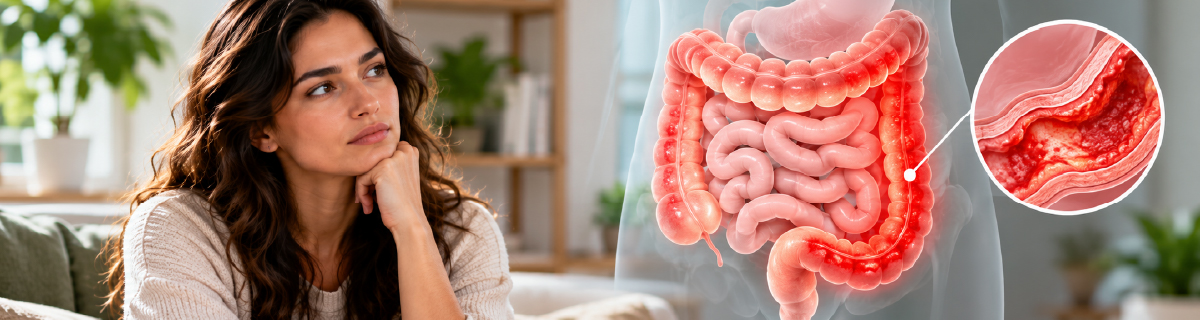
Crohn's Disease Symptoms: What's Normal, and What Needs Attention
Crohn’s disease symptoms vary person to person, but commonly include:
- Persistent abdominal pain and cramping
- Diarrhea, sometimes with blood
- Fatigue that doesn’t improve with rest
- Unintended weight loss
- Reduced appetite
- Joint pain or skin issues during active inflammation
If you’re noticing a pattern to your symptoms but can’t pin down the cause, that’s usually a sign it’s time to look at the root cause, not just the symptom in front of you.
Recognizing a Crohn's Disease Flare-Up Before It Takes Over
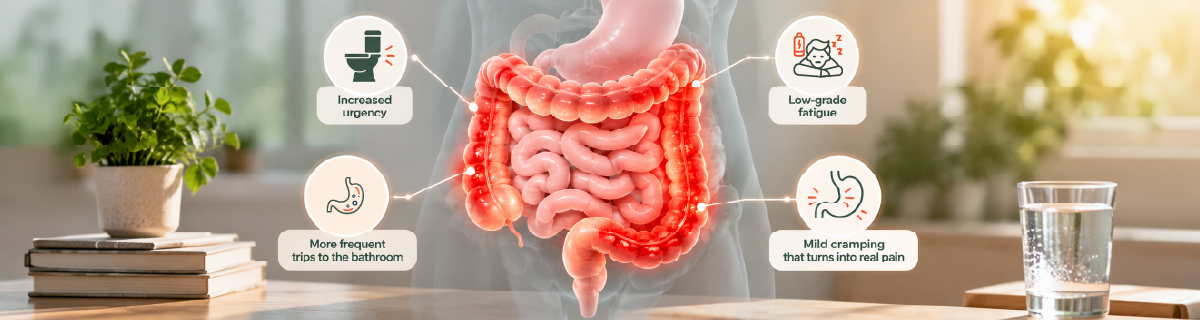
A flare-up isn’t always sudden. For many people, Crohn’s disease flare-up symptoms build gradually: increased urgency, more frequent trips to the bathroom, low-grade fatigue that slowly gets worse, or mild cramping that turns into real pain over a few days.
Learning to recognize these early signals is one of the most valuable skills you can build. It’s the difference between catching a flare early and getting blindsided by one.
What to Eat With Crohn's Disease (and What to Avoid)
There’s no single universal Crohn’s disease diet plan, but there are patterns that consistently show up across people who take control of their symptoms long-term.
Foods that tend to support your gut:
- Cooked, low-fiber vegetables
- Plant-based proteins in easily digestible forms
- Whole grains, introduced gradually
- Adequate hydration throughout the day
Foods to avoid with Crohn’s, especially during a flare:
- Highly processed foods and refined sugar
- Dairy and animal proteins increase the risk of IBD
- Alcohol and caffeine in large amounts
- Very high-fat or fried foods
The goal isn’t permanent restriction; it’s understanding your specific triggers so you can eat with confidence again, not fear.
Do Natural Remedies for Crohn's Disease Actually Work?
Short answer: the right ones, used consistently, absolutely can support your progress. This isn’t about replacing medical care; it’s about addressing the lifestyle and dietary factors that conventional treatment often leaves out entirely.
A whole-food, plant-based approach is the foundation of natural remedies for Crohn’s disease that actually hold up over time- not quick fixes, but a sustainable shift in how you eat, move, sleep, and manage stress.

Building a Crohn's Disease Remission Diet That Lasts
Getting to remission isn’t about finding one magic food to cut out. It’s about building a personalized Crohn’s disease remission diet informed by your specific triggers, your flare history, and your body’s response over time.
Our clients don’t chase remission through guesswork. They work with a dedicated Crohn’s disease nutritionist to build a plan designed to help them achieve Crohn’s disease remission naturally, supported by real plant-based Crohn’s success stories from people who’ve walked the same path.

Work With a Crohn's Disease Diet Coach Online
You don’t have to figure this out from scattered forum posts and conflicting advice. Our Crohn’s disease diet coach online program, Beyond IBD, gives you direct, personalized support, whether you want full 1-on-1 coaching or a self-paced course covering the same system.

Frequently Asked Questions
No. Both are forms of inflammatory bowel disease (IBD), but they affect different parts of the digestive tract and behave differently.
Diet is a major factor. With the right diet and lifestyle changes, you can live a life beyond Crohn’s disease without medication.
It varies by person, but many clients start noticing changes in symptoms within the first few weeks of consistent, personalized changes.