
Ulcerative Colitis: How to Take Control Naturally
Whether you were just diagnosed or you’ve been managing this for years without real answers, here’s what’s actually happening in your body and what you can do about it.
What Is Ulcerative Colitis, Really?
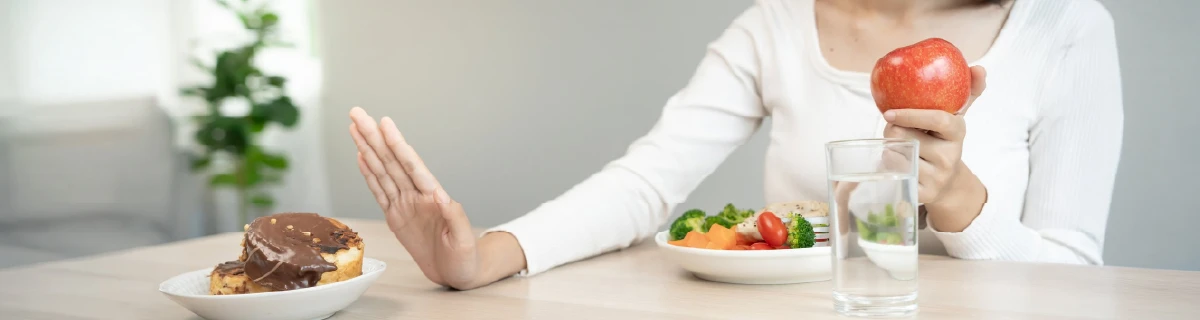
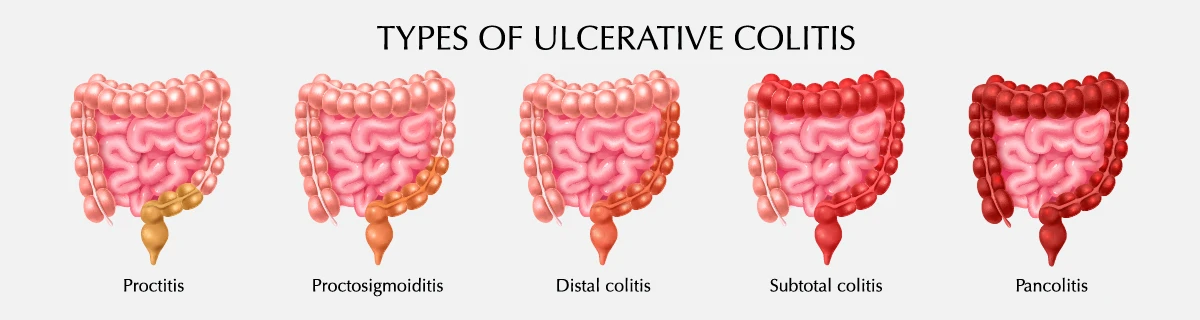
Ulcerative Colitis is a chronic inflammatory bowel disease that affects the inner lining of your colon and rectum, causing inflammation and ulcers that lead to pain, urgency, and unpredictable flare-ups.
It’s often confused with Crohn’s disease, but the two conditions behave differently, which is exactly why generic advice so rarely works for either one.
Ulcerative Colitis Symptoms: What to Watch For
Ulcerative colitis symptoms commonly include:
- Frequent, urgent bowel movements
- Blood or mucus in your stool
- Abdominal cramping and pain, often on the left side
- Fatigue that doesn’t improve with rest
- Unintended weight loss
- Increased urgency, especially after eating
Symptoms can range from mild and manageable to severe and disruptive, and often that range comes down to how well the root cause is actually being addressed, not just the flare in front of you.
Mild Ulcerative Colitis Causes You Should Know Early
Not every case starts with a dramatic flare. Many people live with mild Ulcerative Colitis for years, low-grade inflammation, minor diet sensitivities, and chronic stress without connecting the dots until symptoms intensify.
Catching these early signals matters. The earlier you understand what’s driving your inflammation, the more options you have for taking control before things escalate.

Ulcerative Colitis vs. Crohn's: What's Actually Different?
Both are forms of inflammatory bowel disease (IBD), but they’re not the same condition:
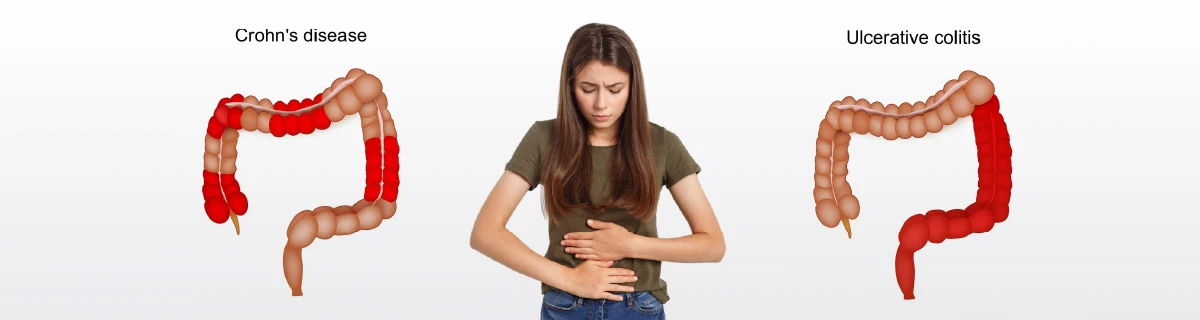
Ulcerative Colitis affects only the colon and rectum, and inflammation stays in the innermost lining.
Crohn’s Disease can affect any part of the digestive tract, from mouth to anus, and inflammation can go deeper into the gut wall.
The diagnosis matters less than you might think when it comes to diet and lifestyle — both conditions respond to many of the same root-cause strategies. [Read more about Crohn’s Disease →]
What to Eat: A Plant-Based Diet for Ulcerative Colitis
There’s no single universal Ulcerative Colitis diet plan, but a plant-based diet for Ulcerative Colitis is consistently the foundation behind the clients who take control of their symptoms long-term.
Foods that tend to support your gut:
- Cooked, low-fiber vegetables
- Easily digestible plant-based proteins
- Whole grains, introduced gradually as tolerance improves
- Consistent hydration
Foods to avoid with Ulcerative Colitis, especially during a flare:
- Highly processed and refined foods
- Dairy and animal proteins increase the risk of IBD
- Alcohol and excess caffeine
- Fried or very high-fat foods
How to Manage Ulcerative Colitis Without Steroids
Many of our clients come to us specifically looking for how to manage Ulcerative Colitis without steroids long-term, not because steroids don’t work; they do for short-term symptom relief, but because they’re not a sustainable solution on their own.
Natural remedies for Ulcerative Colitis, centered on a whole-food, plant-based approach, address the dietary and lifestyle factors that steroid use alone doesn’t touch. This isn’t about replacing your medical care; it’s about giving your body the additional support conventional treatment often leaves out.
Your Path to an Ulcerative Colitis Remission Diet
Getting to remission isn’t about cutting out one “bad” food. It’s about building a personalized Ulcerative Colitis remission diet, informed by your specific triggers and flare history.
Our clients work with a dedicated Ulcerative Colitis nutritionist or Ulcerative Colitis diet coach to build a plan designed to help them work toward UC remission naturally with real support, not just a printed handout.
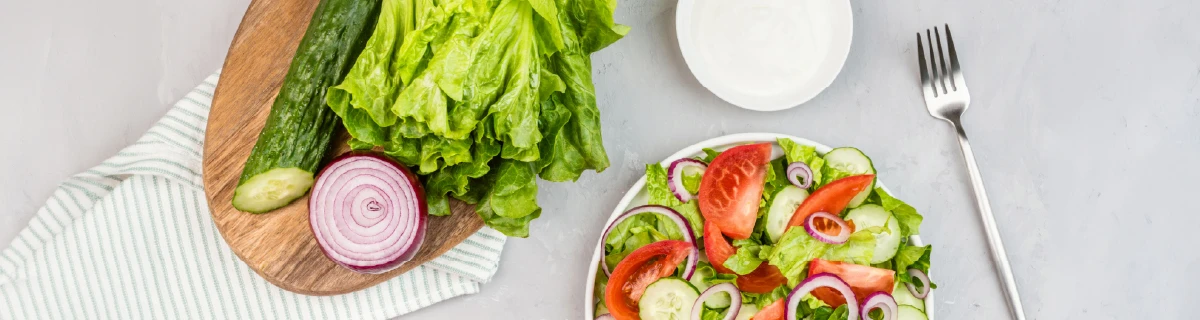
Work With an Ulcerative Colitis Diet Coach
You don’t have to piece this together from forums and conflicting advice. Our Ulcerative Colitis diet coach program, Beyond IBD, gives you direct, personalized support, whether through full 1-on-1 coaching or a self-paced course covering the same system.
Frequently Asked Questions
There’s currently no medical cure, but many people take control of their symptoms significantly and reach long periods of remission through the right combination of diet, lifestyle, and medical care.
Diet plays a major role. With the right diet and lifestyle changes, you can live a life beyond ulcerative colitis without medication.
They’re both forms of IBD, but affect different parts of the digestive tract. See the comparison above for details.