
Diverticulitis: Take Control Naturally
If you’ve been diagnosed with Diverticulitis and you’re tired of vague advice to “just eat more fiber,” here’s what’s actually happening in your gut and a real plan for taking control of it.
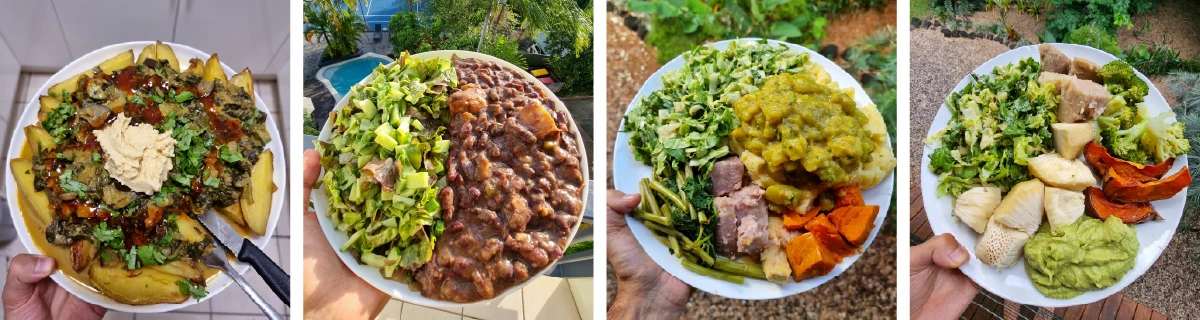
What Is Diverticulitis, Really?
Diverticulitis occurs when small pouches (diverticula) that can form in the wall of your colon become inflamed or infected. It’s closely related to but different from diverticulosis, which is simply the presence of those pouches without inflammation.
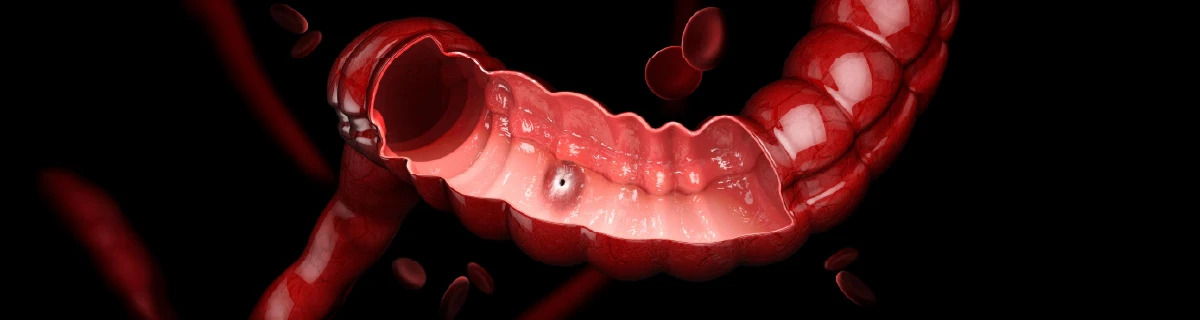
Diverticulitis vs. Diverticulosis: What's the Difference?
This distinction trips a lot of people up:
Diverticulosis means you have the pouches, but no inflammation or symptoms. Many people have this without knowing it.
Diverticulitis means those pouches have become inflamed or infected, causing real pain and other symptoms.
Understanding which one you’re dealing with changes how urgently and how you need to address it.
What to Eat During a Diverticulitis Flare-Up
During an active flare, your gut needs a very different approach than during a stable period. A proper diverticulitis flare-up diet typically starts with easily digestible, low-residue foods, gradually reintroducing fiber as inflammation settles, not the other way around.
Foods to avoid with Diverticulitis during a flare:
- High-fiber raw vegetables and whole grains (temporarily)
- Nuts and seeds, until your care team confirms it’s safe to reintroduce
- Fried and highly processed foods
- Dairy and animal protein
Your Long-Term Diverticulitis Diet Plan
Outside of an active flare, the goal shifts: a well-built diverticulitis diet plan focuses on gradually increasing fiber, supporting healthy digestion, and reducing the chance of future flares, rather than permanent restriction.
This is exactly the kind of personalized planning a diverticulitis nutrition program is built for, matching your diet to where you actually are, flare or no flare.
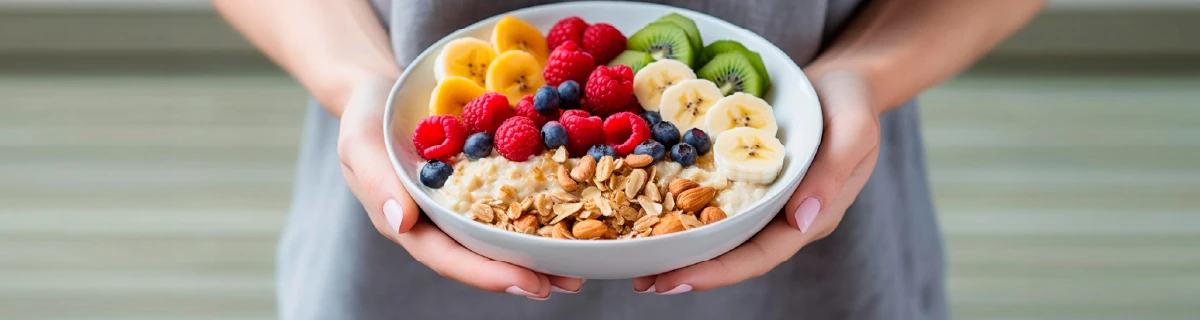
Working Toward Diverticulitis Remission Naturally
Diverticulitis remission naturally isn’t about a single fix; it’s about building sustainable habits around fiber, hydration, and gut-supportive foods that reduce your risk of recurring flares over time.
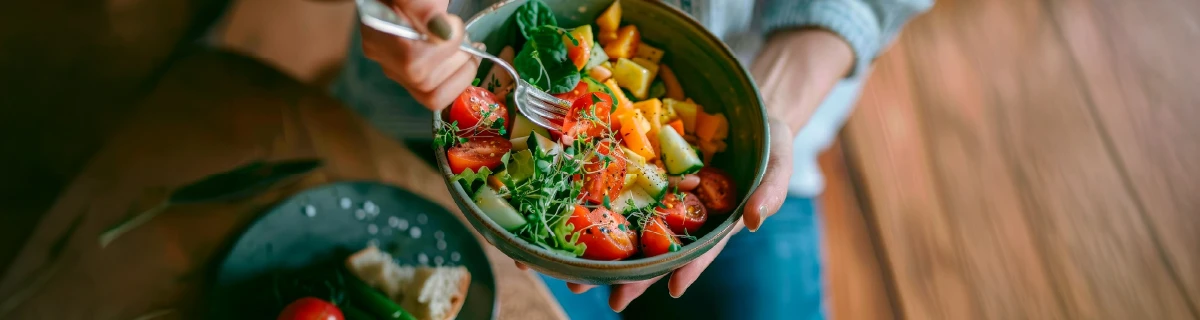
Work With a Diverticulitis Diet Coach
Our diverticulitis diet coach program gives you a personalized plan built around your flare history and current symptoms, not generic fiber advice you’ve already tried.
Frequently Asked Questions
Not technically, but it’s often grouped alongside IBD conditions since it involves similar inflammation and responds to many of the same dietary strategies.
Many people significantly reduce flare frequency and severity with the right diet and lifestyle approach, though individual results vary.
Most cases are managed without surgery. Severe or recurring cases should always be discussed with your doctor.